Your cart is currently empty!
Category: Uncategorized
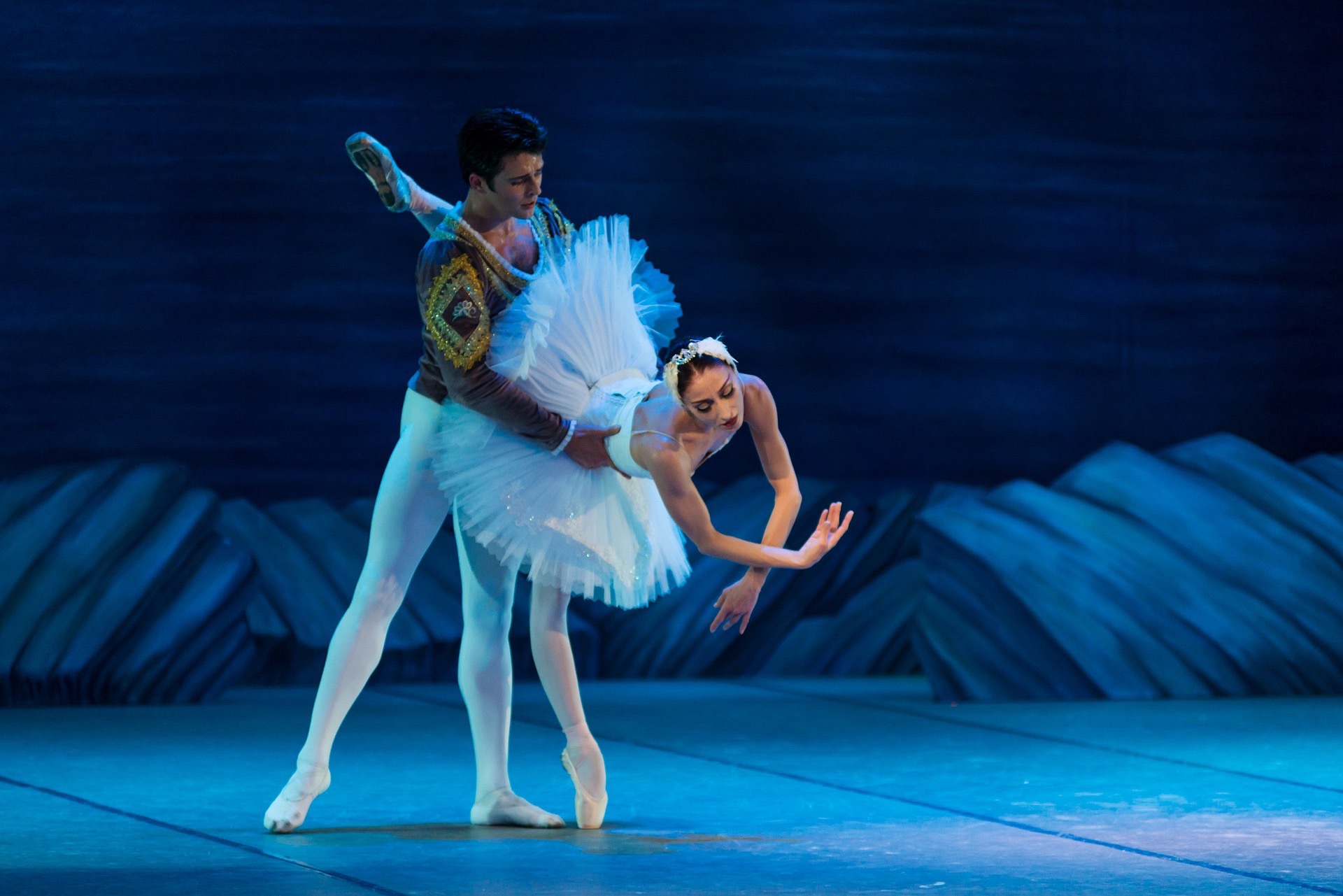
The Enchanting History of Swan Lake Ballet: A Timeless Ballet.
Swan Lake is one of the most iconic and beloved ballets of all time, the music is amazing and transports you to a magical place when you listen to it.
From its origins in Russian folklore to its modern-day adaptations, Swan Lake has captivated audiences with its haunting beauty and technical precision.
The Origins
The origins of Swan Lake can be traced back to Russian folklore, where the legend of the “White Swan” was born. The story tells the tale of a princess turned into a swan by an evil sorcerer’s curse. This mythological narrative was first adapted into a ballet in 1871 by the Russian composer Pyotr Ilyich Tchaikovsky, with choreography by Julius Reisinger.
The Premiere and Early Years
Swan Lake premiered at the Bolshoi Theatre in Moscow on March 4, 1877 choreographed by Reisinger the director of the Bolshoi at that time. It is said that audiences and critics hated the ballet and that Tchaikovsky died thinking he wasn’t good enough, if he only knew!
The Petipa-Ivanov Collaboration
In 1895, Marius Petipa and Lev Ivanov collaborated on a new production of Swan Lake, which would become the foundation for modern adaptations. Their version emphasized technical virtuosity and introduced the iconic “Dance of the Little Swans” and “Black Swan Pas de Deux.”
Global Popularity and Adaptations
Swan Lake has since become a staple of classical ballet repertoire, performed by companies worldwide. The ballet has undergone countless adaptations, including modern interpretations, parodies, and even film adaptations.
Conclusion
Swan Lake’s enduring beauty and allure can be attributed to its rich history, technical brilliance, and the timeless appeal of its mythological narrative. As a testament to the power of art, Swan Lake continues to inspire and enchant audiences, solidifying its place as one of the most beloved ballets of all time.
It was this Ballet I watched when I was little and made me dream of being a ballerina, and I bet many other girls from around the world would identify with me when I say that, so Tchaikovsky thank you for giving your music to the world.


Embracing the Rhythm of Life: Walker’s Journey Through Old Age and Dementia


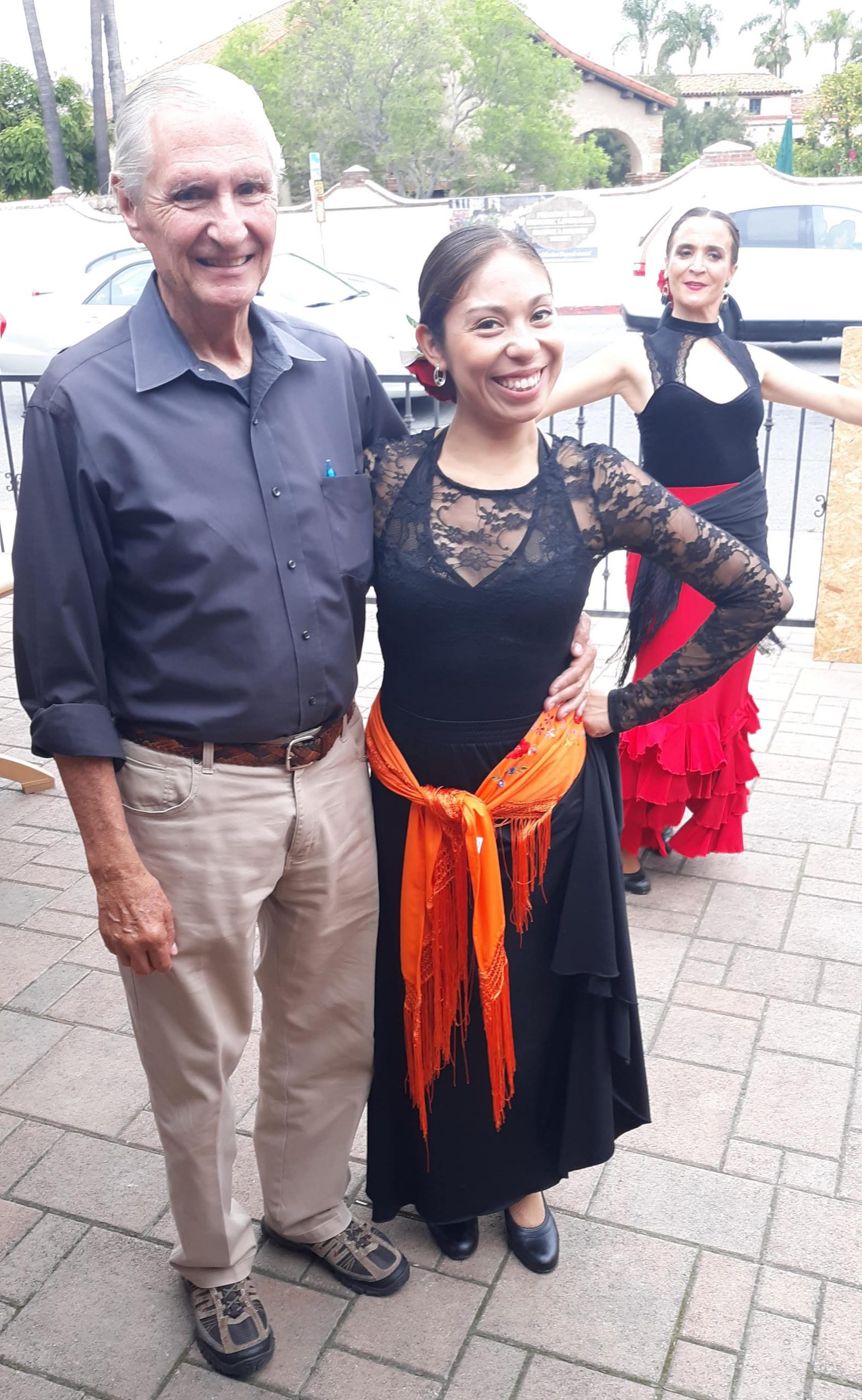
Aging is a natural part of life, bringing with it a tapestry of experiences, wisdom, and sometimes, challenges. My dear friend Walker has been navigating the complexities of old age with a spirit that has always been inspiring. Recently, however, he has faced a new hurdle: dementia. While this condition has impacted his memory and cognitive functions, Walker’s journey has illuminated a surprising and beautiful truth – the power of dance in providing therapeutic relief and joy.
The Silent Thief: Understanding Dementia
Dementia is a collective term used to describe various symptoms of cognitive decline, such as forgetfulness and confusion. For Walker, it has meant a gradual erosion of the vibrant memories that have colored his life. Conversations often loop, and familiar faces sometimes fade into obscurity. It’s a heart-wrenching process for those who love him, watching pieces of the person they know slip away.
Rediscovering Joy: The Therapeutic Power of Dance
Amidst these challenges, something remarkable has emerged – Walker’s profound connection with dance. It began serendipitously, with a simple shuffle to a tune from the radio. We noticed how his eyes lit up, and his movements seemed to bring a sense of clarity and happiness. Dance, it appears, transcends the cognitive barriers that dementia erects.
The Science Behind the Steps
The therapeutic impact of dance on dementia patients is supported by research. Studies have shown that music and rhythm can trigger memories and emotions, often remaining accessible even when other aspects of cognition are compromised. Dance involves not just the mind but also the body, engaging multiple senses and promoting physical health. It can enhance mood, reduce anxiety, and improve overall well-being.
Walker’s Dance Therapy: A Personal Tale
Watching Walker dance is like witnessing a renaissance of his spirit. His movements, though sometimes hesitant, are filled with a joy that words cannot capture. He sways to the rhythm, sometimes humming along, lost in the moment. It’s as if the music provides a bridge to a part of his mind untouched by dementia. The steps may be simple, but they are profound in their impact.
Creating a Safe Space for Expression
To support Walker’s newfound love for dance, we’ve created a routine that integrates music and movement into his daily life. We play his favorite tunes, encouraging him to move freely and without judgment. This safe space allows him to express himself, fostering a sense of accomplishment and independence that dementia often strips away.
The Ripple Effect: Spreading Awareness
Walker’s story is a testament to the resilience of the human spirit and the unexpected avenues of hope that can emerge even in the face of daunting challenges. By sharing his journey, we aim to spread awareness about the benefits of dance therapy for dementia patients. It’s a reminder that, despite the limitations imposed by age and illness, joy and connection can be found in the most unexpected places.
Conclusion: Dancing Through the Twilight
As Walker continues his journey through the twilight of his years, dance remains a beacon of light. It offers not just a therapeutic outlet but also a way to connect with the essence of who he is – a vibrant, joyful soul. In the dance, we find a shared language, a celebration of life that defies the shadows of dementia. Through the rhythm and movement, Walker teaches us all that even in the face of adversity, we can still find moments of grace and joy.
In honoring Walker’s story, we celebrate the power of dance and the enduring human spirit. May we all find our own ways to dance through the challenges life presents, embracing each step with hope and resilience.
If you or your family would like to participate in therapy for dementia and memory loss, please register here:
Xiomara a Multi-Faceted Artist & Art Therapist


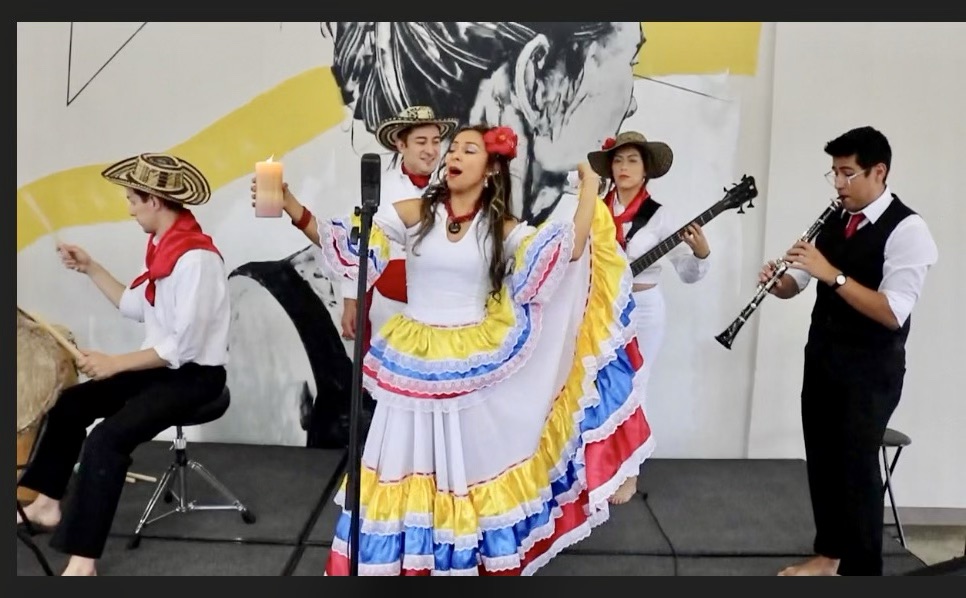
Xiomara is a multifaceted artist from Cali, Colombia, and California, USA, who embodies the intersection of creativity and cultural fusion. She paints, dances, sings, writes songs, designs clothing, cooks, and makes people laugh, embracing life as her canvas and art as her way of life.
With a BA in Computer Graphic Design and self-taught skills in fine art, Xiomara creates surreal and spiritual portraits inspired by her dreams, visions, and the people who have shaped her journey. Her art has been exhibited in galleries and museums, and she has toured the US with her paintings.
As a certified Art and Dance Movement Therapist, Xiomara has worked with individuals with cognitive disorders and trauma, including six years at Creativity Explored in San Francisco. She currently teaches and performs various Latin and world dances, which she has been doing for 25 years. She has founded, directed, and choreographed her own Afro-Colombian dance academies and performed with renowned artists worldwide.
Music is also a vital part of Xiomara’s expression, and she is currently working on her debut album, blending world, Latin, rock, and hip-hop alternative styles. As a mother of two talented boys, she encourages them to embrace art in their lives.
Xiomara’s mission is to use art as a weapon of peace, a remedy for all sickness, and a key to the universe. Through her creations, she strives to make the world a better place, inspiring others to embrace their own artistic expression.
How Everything Started…


I was seven years old when my mom decided to enroll me in ballet classes at the Institute of Culture in Mexico City. Initially, I wasn’t thrilled about it. In fact, I disliked it because the teachers were quite harsh. However, during my first recital, I felt a mix of nervousness and excitement. When the performance ended, the joy and exhilaration I experienced were feelings I wanted to relive repeatedly.
After two years of dancing there, I was fortunate to have an amazing teacher named Monica Pizano. She inspired me and took me to see Swan Lake. I instantly fell in love with it and declared, “I want to be one of those beautiful ballerinas one day!”
It was the same teacher who introduced me to the National Center of the Arts in Mexico City, where the National Dance School is located. Along with my mom, we inquired about the selection process to enter the school. I took the application home and pondered over it. The school was far from where I lived, the training was intense, with sessions every day from 7:00 am to noon, followed by lunch and regular school subjects from 1:00 pm to 6:10 pm. It seemed daunting to even consider such a schedule! Moreover, committing to this meant sacrificing time with family and friends and dedicating myself fully to dance education at the age of 12, with a ballet career spanning eight years.
After much deliberation, I decided to give it a try. The selection process was rigorous, with numerous tests and auditions. It took days and weeks before we finally received the results. Out of approximately 300 girls, only three with ballet training and eleven beginners were accepted.
I was placed in the third level of ballet technique. My classmates were friendly and welcoming, the dance studios were enormous, and we had live pianists – it was a dream come true, though the teachers remained extremely strict and occasionally harsh.
The rigorous dance education shaped me into a person with determination, discipline, and willpower.
I stopped dancing for six years before moving to the United States, where new opportunities awaited me. I resumed dancing under the guidance of wonderful ballet directors and discovered my passion for Flamenco dance.
I am forever grateful to my mom for giving me the gift of dance. It has taken me to amazing places, introduced me to wonderful people, teachers, and mentors, and now I get to pass along that knowledge and passion when I teach a class or perform on stage. Dance has always been a constant in my life, in one way or another.